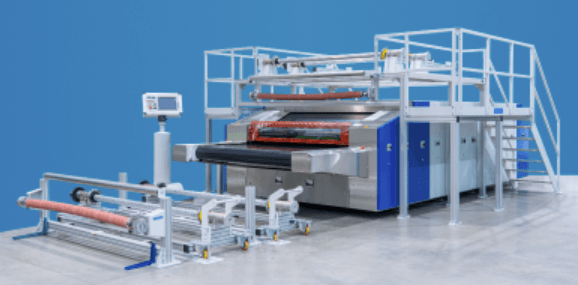
In the modern industrial world, the demand for advanced material processing equipment is increasing rapidly. Manufacturers across packaging, printing, construction, and engineering sectors require reliable machines that can deliver strong, consistent, and high-quality bonding results. One of the most important innovations in this field is the multi layers laminator.
This machine is designed to combine several material layers into a single composite structure, enhancing strength, durability, and performance. With industries shifting toward more complex and high-performance products, multi-layer lamination technology has become a key part of modern production systems.
Understanding the Concept of Multi Layers Laminator
A multi layers laminator is an industrial machine used to bond multiple layers of materials such as plastic films, aluminum sheets, paper, fabric, and polymer coatings. These layers are fused together using heat, pressure, adhesive systems, or extrusion techniques.
Unlike basic laminators that handle only two layers, multi-layer systems are engineered to process several materials simultaneously in a controlled and precise manner.
The main goal of this equipment is to create a unified material that offers improved structural integrity and enhanced functional properties.
Why Multi Layer Lamination is Important
Modern industries require materials that are not only visually appealing but also highly functional. Single-layer materials often fail to meet performance requirements in demanding environments. This is where multi-layer lamination becomes essential.
Key reasons for its importance include:
- Increased structural strength
- Improved resistance to moisture and heat
- Better insulation properties
- Enhanced barrier protection
- Longer product lifecycle
- Superior surface finishing
These advantages make multi-layer lamination a preferred choice in high-end manufacturing sectors.
Working Mechanism of Multi Layers Laminator
The operation of a multi layers laminator involves a carefully controlled process to ensure accurate bonding of materials.
Material Feeding System
Different raw materials are loaded into the machine through separate feeding units. Each layer is guided precisely to maintain alignment.
Layer Preparation
Depending on the machine type, materials may be pre-treated using coating, heating, or adhesive application systems.
Bonding Process
The layers are combined under controlled pressure and temperature conditions. Rollers ensure uniform contact between all surfaces.
Stabilization Phase
Once bonded, the composite material is cooled or cured to strengthen the final structure.
Output Handling
The finished laminated material is either rolled or cut into specific sizes for further industrial use.
This continuous process ensures efficiency and consistency in production.
Categories of Multi Layers Laminator Machines
Different industrial requirements have led to the development of various types of multi-layer laminating systems.
Pressure-Based Laminators
These machines use mechanical pressure to bond multiple layers without requiring excessive heat.
Heat-Assisted Laminators
Heat is applied to activate adhesives or soften materials for stronger bonding results.
Adhesive Coating Laminators
These systems apply specialized adhesives between layers before pressing them together.
Extrusion-Based Laminators
Molten polymer is used as a bonding layer, making it ideal for heavy-duty packaging and industrial applications.
Hybrid Laminators
These machines combine multiple technologies to achieve higher efficiency and better output quality.
Industrial Applications of Multi Layers Laminator
The versatility of multi layers laminator machines allows them to be used in various industries.
Food and Beverage Packaging
Used to create protective packaging that preserves freshness and prevents contamination.
Pharmaceutical Packaging
Ensures hygienic and secure packaging for medicines and medical supplies.
Construction Materials
Used in insulation panels, waterproof sheets, and structural composite materials.
Textile and Fabric Industry
Helps in producing waterproof and laminated fabrics for outdoor and industrial use.
Electronics Manufacturing
Provides protective layers for sensitive electronic components and circuit boards.
This wide range of applications highlights its industrial importance.
Benefits of Using Multi Layers Laminator
Companies that invest in multi-layer lamination technology gain several operational advantages.
Improved Product Strength
Multiple bonded layers create a stronger and more durable final product.
Enhanced Protection
Laminated materials are resistant to external damage such as moisture, dust, and heat.
High Production Efficiency
Advanced automation allows continuous manufacturing with reduced downtime.
Consistent Quality Output
Precision control ensures uniform results across all production batches.
Reduced Material Waste
Efficient processing minimizes errors and saves raw materials.
Versatile Material Processing
Supports a wide range of substrates and industrial materials.
Advanced Features in Modern Multi Layers Laminator
Modern machines are equipped with intelligent systems that enhance performance and usability.
- Digital PLC control systems
- Servo-driven motor technology
- Automatic alignment correction
- Real-time monitoring sensors
- Smart temperature regulation
- Touchscreen operator panels
These features improve productivity and reduce operational complexity.
Role in Modern Manufacturing Industry
The multi layers laminator plays a critical role in improving industrial productivity and product quality. As global markets become more competitive, manufacturers rely on advanced lamination systems to maintain standards and meet customer expectations.
It helps industries achieve:
- Faster production cycles
- Higher product reliability
- Better surface finishing
- Stronger brand competitiveness
This makes it an essential machine in modern industrial ecosystems.
Environmental and Efficiency Benefits
Sustainability is becoming a major focus in industrial production. Multi-layer lamination technology supports eco-friendly manufacturing practices.
Key environmental benefits include:
- Reduced energy consumption
- Lower material waste
- Compatibility with recyclable substrates
- Cleaner production processes
- Reduced emissions in advanced systems
These advantages help industries move toward greener production models.
Technological Evolution in Multi Layers Laminator
The technology behind multi-layer lamination continues to evolve with industrial innovation. Manufacturers are integrating smart systems and automation features to improve efficiency.
Emerging technologies include:
- AI-assisted production control
- IoT-based machine monitoring
- Automated fault detection systems
- High-speed precision rollers
- Cloud-based performance tracking
These developments are transforming traditional manufacturing into intelligent production systems.
See also: EV Charging Station Business: Complete Guide to Starting a Profitable EV Charging Venture
Challenges in Multi Layer Lamination
Despite its advantages, there are some challenges associated with multi-layer lamination technology:
- High initial investment cost
- Requirement of skilled operators
- Complex machine calibration
- Maintenance requirements for precision parts
However, long-term efficiency and productivity benefits often outweigh these challenges.
Future of Multi Layers Laminator Technology
The future of multi-layer lamination is expected to be highly automated and environmentally sustainable. As industries demand faster and more efficient production systems, manufacturers will continue to innovate.
Future developments may include:
- Fully automated production lines
- AI-driven optimization systems
- Advanced eco-friendly bonding materials
- Ultra-high-speed lamination processes
- Predictive maintenance technology
These advancements will further enhance industrial efficiency and reduce operational costs.
Conclusion
The multi layers laminator is a vital piece of modern industrial equipment that enables the production of strong, durable, and high-performance laminated materials. Its applications span across packaging, construction, textiles, electronics, and many other industries.
With continuous technological improvements and increasing global demand, this machine is set to play an even more important role in the future of manufacturing. Businesses that adopt advanced multi-layer lamination systems will benefit from improved efficiency, higher product quality, and stronger market competitiveness.