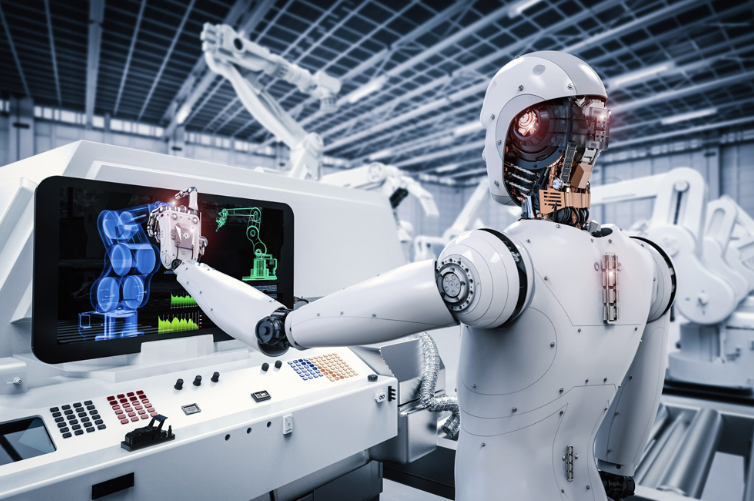
The evolution of humanoid robots reflects a complex interplay between historical innovations and modern technological advancements. Early designs laid the groundwork for sophisticated functionalities seen today. Current applications span sectors such as healthcare and customer service, showcasing their potential to enhance human interaction. However, as capabilities expand, so do the ethical and societal implications. Understanding these dimensions is essential for navigating the future trajectory of humanoid robotics. What challenges lie ahead in this uncharted territory?
The Early Innovations in Humanoid Robotics
Although humanoid robotics has evolved significantly over the decades, early innovations laid the foundational groundwork for contemporary developments in the field.
Pioneering designs, such as Leonardo da Vinci’s mechanical knight and George Devol’s Unimate, represent critical historical milestones.
These initial efforts not only showcased the potential of humanoid forms but also ignited further exploration into complex movements and interactions, shaping the trajectory of future robotic advancements.
Key Technological Advancements in AI and Engineering
As advancements in artificial intelligence (AI) and engineering continue to converge, the development of humanoid robots has reached unprecedented levels of sophistication.
Key technological innovations, particularly in machine learning, have enhanced robotic autonomy, enabling these machines to adapt and respond to dynamic environments.
This synergy between AI and engineering fosters a new era of humanoid capabilities, offering enhanced functionality and improved interaction with human users.
Current Applications of Humanoid Robots in Society
Humanoid robots are increasingly integrated into various sectors, demonstrating their versatility and potential to enhance human experiences.
In healthcare, they serve as assistants, providing support to medical professionals and improving patient interactions.
Additionally, in customer service, humanoid robots facilitate efficient communication, streamline operations, and deliver personalized experiences.
These applications highlight the transformative impact of humanoid robots on society, promoting efficiency and accessibility.
See also: The Cost of Cybercrime Worldwide
Future Trends and Challenges in Humanoid Robot Development
While advancements in artificial intelligence and robotics continue to evolve rapidly, the future of humanoid robot development faces both promising trends and significant challenges.
Ethical considerations surrounding autonomy, privacy, and user interaction are paramount.
Additionally, societal impacts, including job displacement and the need for regulation, necessitate careful examination.
Addressing these issues will be crucial for sustainable integration into everyday life and enhancing human-robot collaboration.
Conclusion
As humanoid robots continue to evolve, their integration into society embodies a poignant intersection of technology and humanity. Coincidentally, the very advancements that promise to enhance lives also raise critical ethical questions and concerns about job displacement. In navigating these complexities, society must balance innovation with responsibility, ensuring that the benefits of humanoid robotics do not come at the expense of human dignity and employment. The future hinges on collaborative efforts to harmonize these powerful tools with societal values.