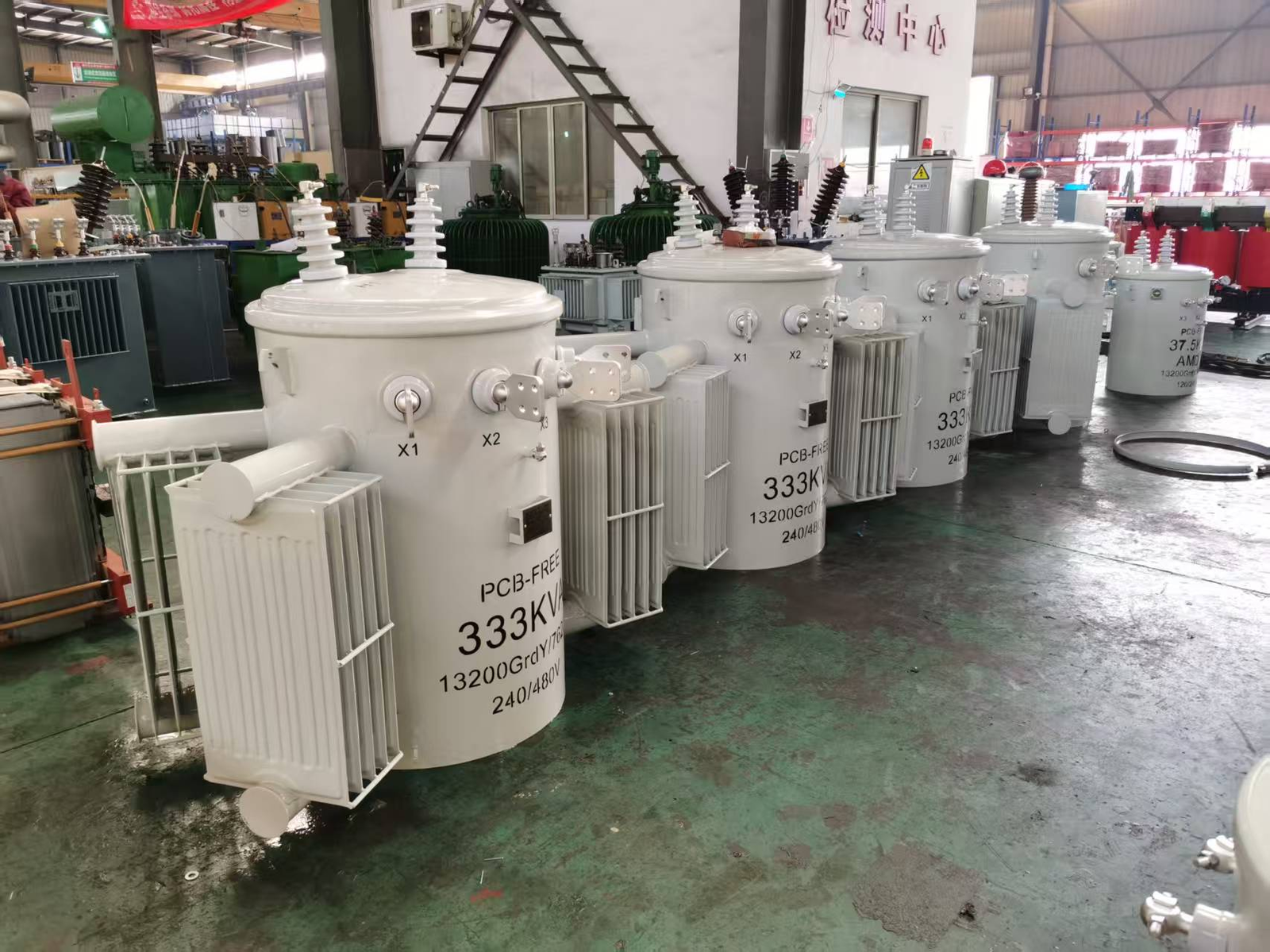
A 167 kVA pole mounted transformer is a reliable electrical distribution transformer designed to step down medium-voltage electricity into low-voltage power for residential, commercial, agricultural, and light industrial applications. Mounted directly on utility poles, these transformers provide an efficient and space-saving solution for delivering electricity to homes, businesses, and rural communities while minimizing the need for ground-mounted electrical infrastructure.
Due to its compact design, high efficiency, and dependable performance, the 167 kVA pole mounted transformer is one of the most commonly used transformer ratings in utility distribution networks. Selecting the right transformer requires understanding its specifications, construction, voltage ratings, cooling system, installation requirements, and maintenance practices. This comprehensive guide covers everything you need to know about 167 kVA pole mounted transformers to help you make an informed decision.
What Is a 167 kVA Pole Mounted Transformer?
Before exploring its specifications, it’s important to understand the purpose of a pole mounted transformer within an electrical distribution system. These transformers are designed to convert medium-voltage electricity from overhead distribution lines into the lower voltages required by end users.
A 167 kVA pole mounted transformer is typically installed on a utility pole, making it ideal for locations where ground space is limited or underground electrical distribution is not practical. It safely supplies electricity to multiple homes, farms, commercial buildings, or small industrial facilities while maintaining reliable voltage regulation.
Most 167 kVA transformers are manufactured as oil-immersed transformers because insulating oil provides excellent cooling and electrical insulation for outdoor installations.
Typical 167 kVA Pole Mounted Transformer Specifications
Although specifications may vary between manufacturers, most 167 kVA pole mounted transformers are built according to recognized industry standards and utility requirements. These specifications ensure reliable operation across different electrical distribution networks.
Power Rating
The transformer has a rated capacity of 167 kVA, making it suitable for supplying electricity to small communities, commercial buildings, agricultural operations, and light industrial facilities. This capacity provides an excellent balance between performance and efficiency.
Primary Voltage
The primary voltage depends on the local utility distribution system. Common primary voltage ratings include 11 kV, 13.2 kV, 22 kV, and 33 kV, although manufacturers can produce custom voltage ratings for specific applications.
Secondary Voltage
The secondary voltage is selected according to local electrical standards and customer requirements. Common output voltages include 415/240 V, 400/230 V, or other low-voltage configurations used for residential and commercial power distribution.
Frequency
Most pole mounted transformers operate at either 50 Hz or 60 Hz, depending on the country’s electrical grid. Manufacturers design transformers to match regional power system frequencies.
Phase Configuration
A 167 kVA pole mounted transformer is available in both single-phase and three-phase configurations. Utility companies choose the appropriate design based on the electrical load and distribution network.
Construction Features
The construction quality of a transformer has a significant impact on its performance, efficiency, and operational lifespan. High-quality materials ensure dependable service even under harsh environmental conditions.
High-Quality Magnetic Core
The transformer core is manufactured from cold-rolled grain-oriented (CRGO) silicon steel laminations that reduce energy losses and improve operating efficiency. This advanced core design also minimizes transformer noise during operation.
Copper or Aluminum Windings
The transformer windings are manufactured using either copper or aluminum conductors. Copper windings are generally preferred because they provide higher conductivity, better mechanical strength, and improved resistance to overload conditions.
Durable Steel Tank
The transformer tank is fabricated from heavy-duty steel capable of withstanding outdoor environmental conditions. Its corrosion-resistant finish protects the internal components from moisture, dust, and harsh weather.
High-Performance Insulation
A reliable insulation system separates the transformer windings and prevents electrical faults. Quality insulation improves operational safety while extending the service life of the transformer.
Cooling System
Pole mounted transformers generate heat during operation, making effective cooling essential for maintaining safe operating temperatures. Proper cooling helps improve efficiency while extending transformer lifespan.
Oil Natural Air Natural (ONAN)
Most 167 kVA pole mounted transformers utilize the ONAN cooling method. Heat generated inside the transformer naturally circulates through insulating oil before being released into the surrounding air without requiring pumps or cooling fans.
Efficient Heat Dissipation
The transformer tank incorporates cooling fins or corrugated panels that increase surface area and improve heat dissipation. This design allows the transformer to operate efficiently even during continuous electrical loading.
Reliable Outdoor Performance
Because the cooling system relies on natural circulation, it requires very little maintenance while providing dependable performance in a wide range of outdoor environmental conditions.
Electrical Characteristics
The electrical characteristics of a transformer determine how effectively it performs within an electrical distribution system. These features contribute to energy efficiency, voltage stability, and overall reliability.
High Operating Efficiency
Modern 167 kVA pole mounted transformers are designed to achieve excellent energy efficiency by minimizing core and winding losses. Lower losses reduce operating costs while improving overall system performance.
Stable Voltage Regulation
Good voltage regulation helps maintain consistent output voltage even when electrical demand changes throughout the day. Stable voltage protects connected electrical equipment and improves customer satisfaction.
Short-Circuit Strength
Pole mounted transformers are engineered to withstand mechanical and electrical stresses caused by short-circuit events. Strong internal construction helps maintain reliability under fault conditions.
Low Energy Losses
Manufacturers optimize core materials and winding designs to reduce no-load and load losses. Improved efficiency supports sustainable energy distribution while lowering long-term operating expenses.
Protection Features
Modern pole mounted transformers incorporate several protective features that improve operational safety and help prevent equipment damage during abnormal operating conditions.
Surge Protection
Lightning strikes and switching surges can damage electrical equipment if left unprotected. Pole mounted transformers are often installed with surge arresters that divert excessive voltage away from the transformer.
Fuse Protection
Primary fuses disconnect the transformer from the electrical network if severe faults occur. This protection minimizes equipment damage while improving system safety.
Pressure Relief Device
Oil-filled transformers include pressure relief devices that safely release excessive internal pressure caused by electrical faults or overheating. This protects the transformer tank from structural damage.
Grounding System
Proper grounding protects both equipment and maintenance personnel by providing a safe path for fault currents. Effective grounding is an essential part of every transformer installation.
Applications of a 167 kVA Pole Mounted Transformer
The 167 kVA pole mounted transformer is widely used because of its versatility and dependable performance across many industries. Its compact design makes it particularly suitable for overhead electrical distribution systems.
Residential Power Distribution
Utility companies commonly install these transformers to supply electricity to residential neighborhoods. One transformer can efficiently provide power to multiple homes while maintaining stable voltage levels.
Commercial Buildings
Small shopping centers, offices, restaurants, and retail facilities often use 167 kVA transformers to support lighting, air conditioning systems, and everyday electrical equipment.
Agricultural Operations
Farms and agricultural facilities rely on pole mounted transformers to power irrigation systems, water pumps, grain storage equipment, and processing machinery located in rural areas.
Rural Electrification
Pole mounted transformers play a key role in extending electrical infrastructure to remote communities where underground electrical systems are not economically practical.
Light Industrial Applications
Small manufacturing plants, workshops, and warehouses use these transformers to supply reliable electrical power for machinery and production equipment.
Installation Requirements
Correct installation ensures safe transformer operation while maximizing equipment lifespan. Every installation should comply with local utility standards and electrical regulations.
Strong Utility Pole
The transformer should be mounted on a properly rated utility pole capable of supporting both the transformer weight and environmental loading such as wind and ice.
Adequate Electrical Clearance
Maintaining proper clearance from buildings, trees, and surrounding structures improves operational safety while allowing maintenance personnel to work safely.
Proper Grounding
A high-quality grounding system protects against electrical faults and lightning strikes while improving overall system reliability.
Secure Electrical Connections
Primary and secondary conductors should be installed according to manufacturer recommendations to minimize electrical losses and ensure dependable performance.
Maintenance Tips
Routine maintenance helps maximize transformer reliability while reducing unexpected failures. Preventive maintenance also extends equipment lifespan and improves electrical system performance.
Perform Regular Visual Inspections
Inspect the transformer for oil leaks, corrosion, damaged bushings, loose hardware, and other visible signs of wear. Early detection helps prevent costly repairs.
Check Oil Condition
For oil-filled transformers, periodic oil testing verifies dielectric strength, moisture content, and contamination levels. Maintaining clean insulating oil supports both cooling and electrical insulation.
Inspect Electrical Connections
Loose or corroded electrical connections can generate excessive heat and reduce efficiency. Routine inspections help maintain safe and reliable operation.
Monitor Operating Performance
Utilities often monitor transformer temperature, load levels, and voltage performance to identify developing issues before equipment failure occurs.
Advantages of Using a 167 kVA Pole Mounted Transformer
A 167 kVA pole mounted transformer offers numerous advantages that make it one of the most popular choices for overhead electrical distribution systems.
Space-Saving Installation
Because the transformer is installed on a utility pole, it eliminates the need for valuable ground space. This makes it an ideal solution for urban streets, residential areas, and rural distribution networks.
Cost-Effective Distribution
Pole mounted transformers require less civil construction than pad-mounted installations, helping reduce installation costs while simplifying project execution.
Reliable Performance
Modern transformer designs provide stable voltage regulation, excellent efficiency, and dependable long-term operation under varying electrical loads.
Long Service Life
When installed and maintained correctly, a quality 167 kVA pole mounted transformer can operate reliably for several decades, providing excellent value for utility companies and electrical contractors.
Factors to Consider When Choosing a 167 kVA Pole Mounted Transformer
Selecting the right transformer requires evaluating several technical and environmental factors. Careful planning helps ensure reliable operation while meeting future electrical demands.
Understand Load Requirements
The transformer should be sized according to both current and anticipated electrical demand. Proper sizing prevents overloading while allowing room for future expansion.
Match Utility Voltage
Both primary and secondary voltage ratings should match the local electrical distribution network and customer requirements to ensure compatibility.
Consider Environmental Conditions
Outdoor transformers must withstand rain, sunlight, temperature variations, pollution, and other environmental conditions. Selecting durable construction materials improves long-term reliability.
Verify Industry Standards
A quality transformer should comply with applicable IEC, ANSI, IEEE, or local utility standards. Certified equipment provides greater confidence in safety, performance, and product quality.
Conclusion
A 167 kVA pole mounted transformer is an essential component of modern overhead electrical distribution systems. Its compact design, high efficiency, reliable performance, and cost-effective installation make it an excellent choice for residential communities, commercial facilities, agricultural operations, rural electrification projects, and light industrial applications.
By understanding the transformer’s specifications, construction, protection features, installation requirements, and maintenance practices, buyers can select the right solution for their electrical distribution needs. Investing in a high-quality 167 kVA pole mounted transformer ensures dependable power delivery, reduced maintenance costs, improved energy efficiency, and long-term operational reliability for years to come.