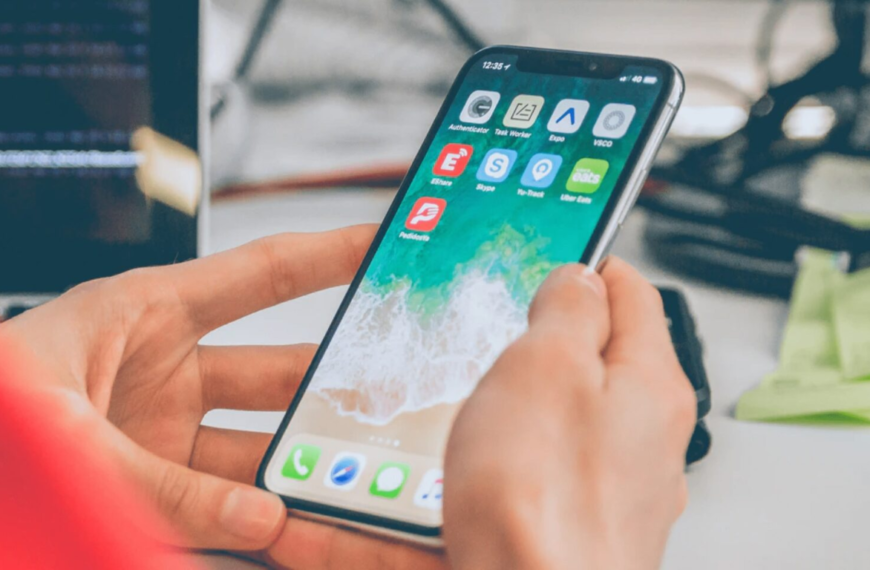
Mobile technology has undergone remarkable transformations since its inception. From the bulky cell phones of the 1970s to today’s sleek smartphones, each advancement has reshaped communication. The shift from 2G to 5G networks has not only increased speed but also expanded connectivity. As we look to the future, emerging trends like augmented reality and artificial intelligence raise intriguing questions about the next phase of this evolution. What implications will these technologies have on everyday life?
The Birth of Mobile Technology: Early Innovations and First Cell Phones
Although the concept of mobile communication dates back to the early 20th century, it was not until the mid-1970s that significant innovations began to shape the landscape of mobile technology.
The advent of the first cell phones marked a pivotal moment in cellular evolution, enabling individuals to communicate freely, transcending geographical boundaries.
These early devices laid the groundwork for a revolution that would forever alter human connectivity.
The Rise of Smartphones: How Touchscreens Changed Everything
The advent of smartphones marked a transformative era in mobile technology, fundamentally redefining how individuals interacted with their devices and the world around them.
The touchscreen revolution enabled a more intuitive user interface, allowing seamless navigation and engagement.
This shift empowered users, fostering a sense of freedom as they accessed information, communicated, and explored apps, ultimately reshaping daily life in profound ways.
The Impact of Mobile Networks: From 2G to 5G and Beyond
As mobile networks evolved from 2G to the revolutionary 5G, they catalyzed significant changes in connectivity and communication.
This progression enhanced network infrastructure, resulting in improved signal reliability and unprecedented data speeds.
With expanded global coverage and greater device compatibility, users experienced a transformative shift in user experience, enabling seamless interactions and fostering a more interconnected world driven by mobile technology advancements.
See also: The Development of Humanoid Robots
The Future of Mobile Technology: Trends and Predictions to Watch
While many anticipate the continued integration of advanced technologies into mobile devices, the future of mobile technology promises to be shaped by several key trends that are already emerging.
Augmented reality will enhance user experiences, while wearable devices will further blur the lines between technology and daily life.
Additionally, AI integration will streamline processes, demanding robust mobile security to protect personal data in this evolving landscape.
Conclusion
As mobile technology continues its graceful dance of evolution, it beckons users into a world where connectivity knows no bounds. The journey from clunky devices to sleek smartphones illustrates a remarkable transformation, while the promise of 5G and beyond hints at a future brimming with possibilities. With each advancement, the landscape of communication flourishes, inviting individuals to embrace the next wave of innovation, all while reminding them to safeguard their digital treasures in this vibrant tapestry of connectivity.